
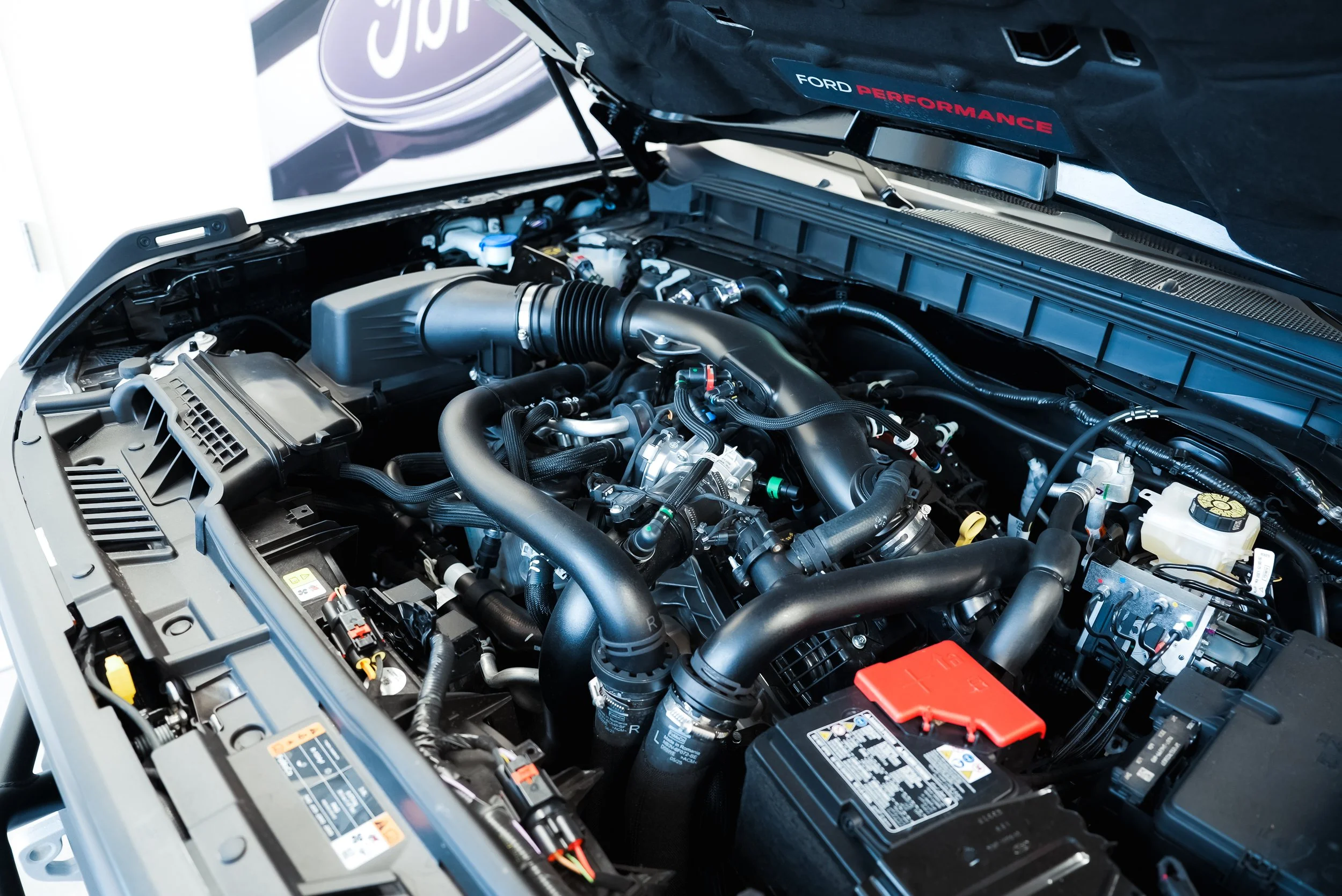
performance oil changes
WHAT IT DOES
In a performance engine, oil is not simply a lubricant, it is a critical part of the engine’s thermal management, hydraulic control, and internal protection systems. Engine oil establishes a microscopic film between highly loaded moving surfaces, allowing crankshaft journals, bearings, camshafts, cylinder walls, timing components, and valvetrain assemblies to operate without direct metal-to-metal contact.
Oil also carries heat away from areas the cooling system cannot directly reach, suspends combustion byproducts and contaminants, provides hydraulic pressure for systems such as variable camshaft timing, and helps protect internal components against corrosion and deposit formation.
The right oil change depends on more than just mileage. Oil viscosity, specification, filtration, operating temperature, engine modifications, power level, fuel type, driving habits, and duty cycle can all influence what oil should be used and how frequently it should be serviced.
The objective is not simply to replace dirty oil. It is to maintain the lubrication system as part of the vehicle's performance package.
As engine output increases, the demands placed on the lubricant increase with it. Higher cylinder pressures create greater loads at the piston, connecting rod, crankshaft, and bearing interfaces. Higher engine speeds increase the frequency at which those components are loaded. Additional horsepower produces additional heat, and forced induction can substantially increase both cylinder pressure and thermal load.
Under these conditions, maintaining oil viscosity and film strength becomes increasingly important.
Oil Film Strength: Crankshaft and connecting rod bearings depend on a pressurized film of oil to keep rotating surfaces separated. Increased cylinder pressure places greater load on that film, making proper viscosity, oil pressure, temperature, and oil condition critical.
Thermal Stability: Performance driving can elevate oil temperatures considerably. As temperature increases, viscosity decreases. A quality lubricant must maintain sufficient protection at operating temperature while resisting oxidation and thermal breakdown.
High-RPM Protection: Increasing engine speed dramatically increases the number of load cycles experienced by bearings, valvetrain components, and other lubricated surfaces. Sustained high-RPM operation therefore creates demands that ordinary commuting rarely produces.
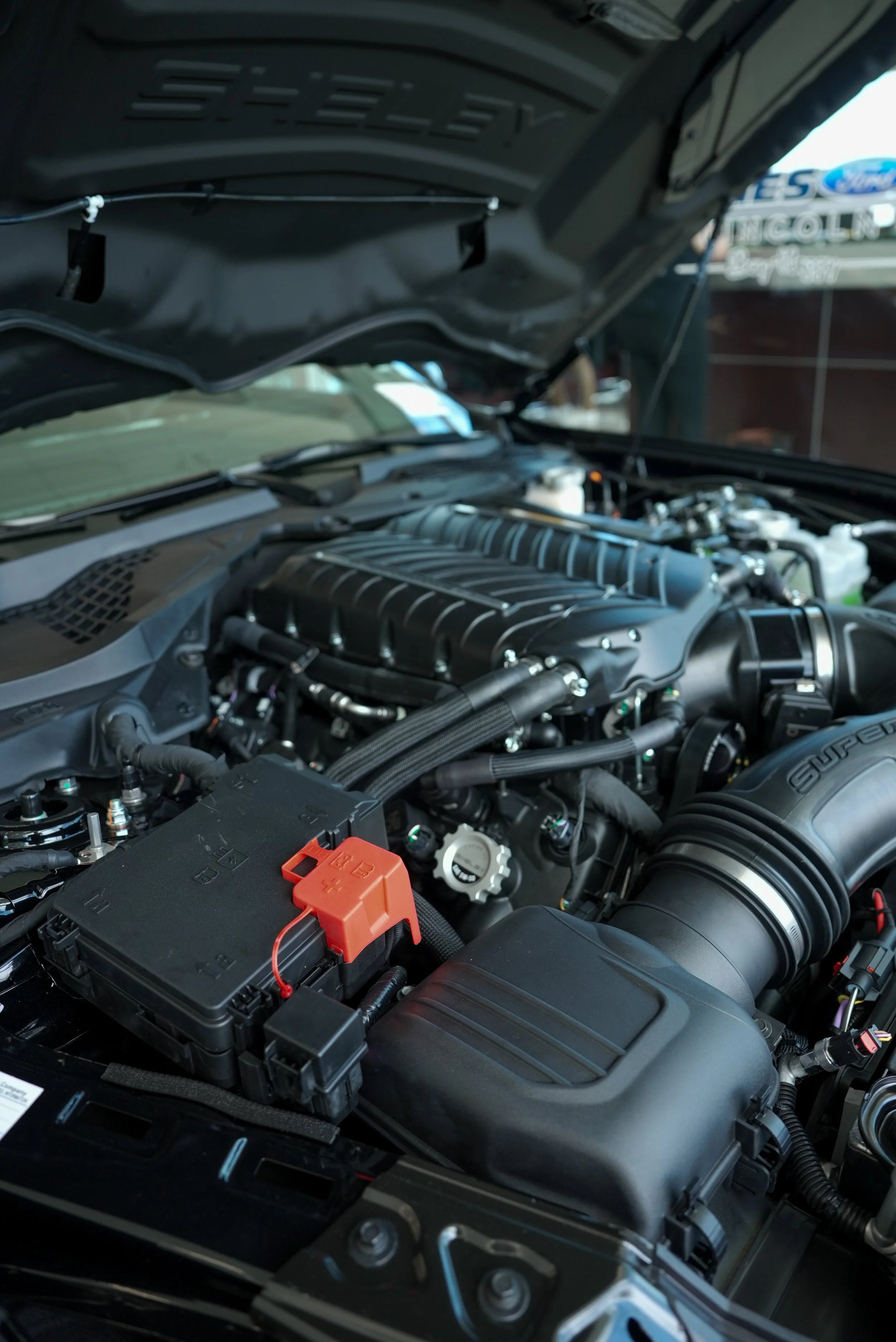
Forced-Induction Protection: Supercharged and turbocharged engines generate additional cylinder pressure and heat. A Whipple-supercharged Coyote, for example, can place substantially greater demands on its lubrication system than the same engine operating at factory power levels.
Contamination Control: Combustion byproducts, moisture, microscopic wear material, and fuel can accumulate in engine oil. Fuel dilution is particularly important because it can reduce viscosity and compromise the oil's ability to maintain an adequate lubricating film.
Consistent Engine Performance: Oil condition can influence more than component longevity. Modern Ford engines use engine oil hydraulically for systems such as variable camshaft timing. Correct viscosity, pressure, cleanliness, and temperature help these systems operate as engineered.
Protection Under Severe Use: Drag racing, road-course driving, repeated wide-open-throttle acceleration, towing, extended high-speed operation, and other severe-duty conditions can accelerate lubricant degradation without necessarily accumulating significant mileage.
This is why mileage alone does not tell the entire story on a performance vehicle. Five thousand easy highway miles and five thousand miles of repeated heat cycles, boost, high RPM, towing, or track use do not represent the same workload for the oil.
Why It Matters:
What to watch out for:
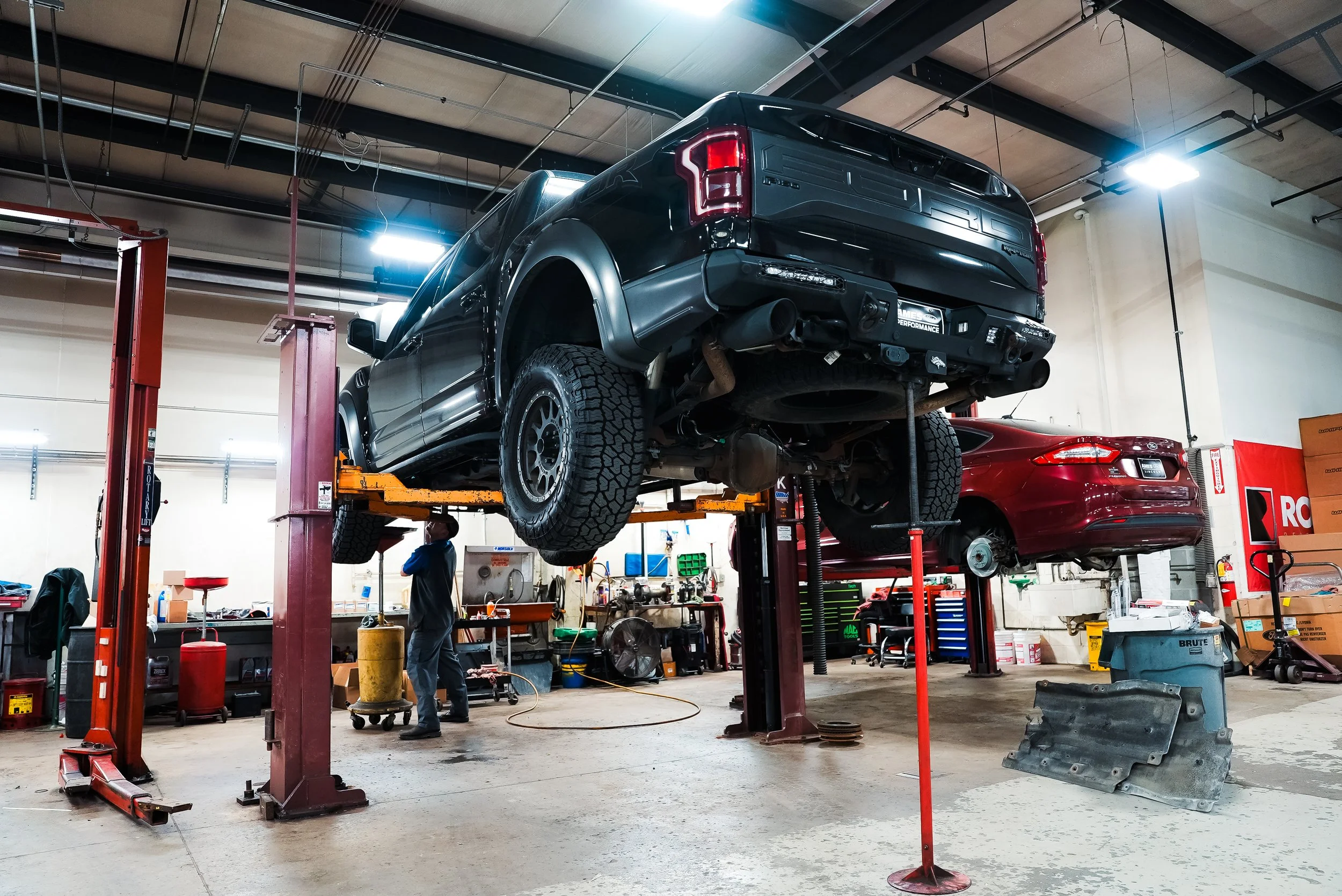
Performance engines are often less forgiving of maintenance shortcuts because increased power can reduce the margin between normal operation and component distress.
Incorrect Oil Viscosity: Going thicker does not automatically provide better protection. Oil viscosity affects flow, pressure, cold-start lubrication, bearing behavior, and hydraulically controlled systems. The correct choice should consider the engine architecture, modifications, operating conditions, and manufacturer requirements.
Extended Service Intervals: Modern synthetic oils are extremely capable, but no lubricant has an unlimited service life. Heat, oxidation, contamination, fuel dilution, and repeated severe-duty operation can justify shorter intervals regardless of what the odometer says.
Low Oil Level: Being even moderately low becomes more significant when an engine is operated at sustained RPM or subjected to aggressive acceleration, braking, and cornering. The lubrication system cannot protect components with oil that isn't available at the pickup.
Fuel Dilution: Excessive fuel entering the crankcase can thin the oil and weaken its protective film. Certain driving patterns, fueling strategies, engine modifications, and operating conditions can make this particularly important on performance applications.
Excessive Oil Temperature: High temperature doesn't simply make oil hot. Repeated thermal stress promotes oxidation and can permanently alter the lubricant's physical and chemical properties.
Incorrect Oil Specifications: "Full synthetic" is not a complete specification. Additive chemistry, viscosity characteristics, manufacturer approvals, and the requirements of the specific engine all matter.
Changes In Oil Consumption: A performance engine consuming more oil than it historically has should not automatically be dismissed as normal. Changes in consumption can provide valuable information about the condition of the engine and deserve investigation.
Ignoring How The Vehicle Is Used: One of the biggest mistakes is servicing a modified vehicle exclusively according to a schedule developed around normal factory operation. Power level, modifications, fuel, temperature, driving environment, and duty cycle should all be considered.

the afp approach:
At Ames Ford Performance, we approach oil service from the perspective of the vehicle as it exists today, not simply how it left the assembly line.
A stock Mustang GT used primarily for highway driving does not necessarily have the same lubrication demands as a Whipple-supercharged Mustang that regularly sees high RPM. An F-150 towing substantial weight introduces a different operating environment than an unloaded commuter. A modified Bronco spending hours at low vehicle speeds and significant engine load presents another set of thermal considerations.
That is why performance maintenance starts with understanding the combination: engine, modifications, power level, fuel, operating temperature, driving style, and intended use.
The correct oil and service interval should support that combination.
Making horsepower is only part of building a great performance vehicle. Controlling heat, friction, contamination, and wear is what allows that horsepower to be used repeatedly and reliably.
Your Next Move
We custom-fit premium body kits and individual aero components that match your build’s goals. You will work directly with our performance team to identify the most logical (or most wild) additions so you can achieve the mecca of custom looks for your vehicle. You eat with your eyes first, so if you have a strong appetite, we can put that belly at ease.