

Cooling System Inspection, Upgrade & Maintenance
WHAT IT DOES
A performance cooling system does considerably more than keep the temperature gauge out of the red. It manages the enormous amount of thermal energy created by combustion and works to keep the engine and supporting systems within a controlled operating temperature range.
The system can include the radiator, coolant, water pump, thermostat, electric fans, hoses, expansion or degas tank, pressure cap, engine oil cooler, transmission cooler, intercooler or charge-air cooling system, and the airflow paths that allow those heat exchangers to function effectively.
Coolant circulates through passages in the engine, absorbing heat from the cylinder block and cylinder heads before carrying that energy to the radiator. Air moving through the radiator then transfers that heat to the atmosphere. System pressure raises the coolant's boiling point, while the thermostat and cooling fans help regulate operating temperature under changing loads and vehicle speeds.
On supercharged and turbocharged applications, thermal management can extend beyond engine coolant. Charge-air cooling systems are responsible for removing heat from the compressed intake air before it reaches the engine.
A performance cooling inspection evaluates whether these systems are simply functioning or whether they have enough thermal capacity, coolant flow, airflow, and pressure integrity to support the way the vehicle is actually being used.
Why It Matters:
Horsepower creates heat.
As cylinder pressure and engine output increase, so does the amount of thermal energy that must be controlled. Add sustained RPM, repeated wide-open-throttle operation, towing, track use, hot ambient temperatures, or forced induction, and a cooling system that was perfectly adequate under factory conditions can begin approaching its thermal limits.
Consistent Engine Temperature: A performance engine operates best when temperature remains within a controlled range. Large temperature swings can affect clearances, lubrication, combustion behavior, and overall consistency.
Detonation Resistance: Higher combustion chamber and intake-air temperatures can increase an engine's tendency toward knock or detonation. Modern engine management systems can respond by reducing ignition timing and altering other operating parameters to protect the engine.
Consistent Power Delivery: A vehicle can remain below the traditional definition of "overheating" while still becoming hot enough for the engine management system to reduce performance. Effective thermal management helps the vehicle deliver power more consistently during repeated hard use.
Forced-Induction Heat Control: Compressing air increases its temperature. Supercharged and turbocharged engines therefore depend heavily on effective charge-air cooling. As intake-air temperature rises, air density decreases and the engine becomes more susceptible to knock.
Engine Oil Protection: Coolant and oil temperatures are closely related. Excessive engine temperature can increase oil temperature and place additional demands on the lubricant's viscosity and oxidation resistance.
Transmission Temperature: Automatic transmissions generate substantial heat under load. Towing, increased horsepower, repeated acceleration, and performance driving can increase transmission temperatures, making adequate cooling increasingly important.
Pressure Control: Cooling systems operate under pressure because increasing system pressure raises the boiling point of the coolant. A weak cap, leak, damaged hose, or loss of pressure can reduce the system's ability to prevent localized boiling even before the temperature gauge indicates a major problem.
Heat Rejection Capacity: Cooling performance is ultimately about how quickly the system can move heat away from the vehicle. Larger or more efficient heat exchangers can increase capacity, but only when coolant flow, airflow, ducting, and the rest of the system support them.
A cooling system should not merely survive a hard pull. A properly engineered performance cooling system needs to recover and be ready to manage the next one.
What to watch out for:
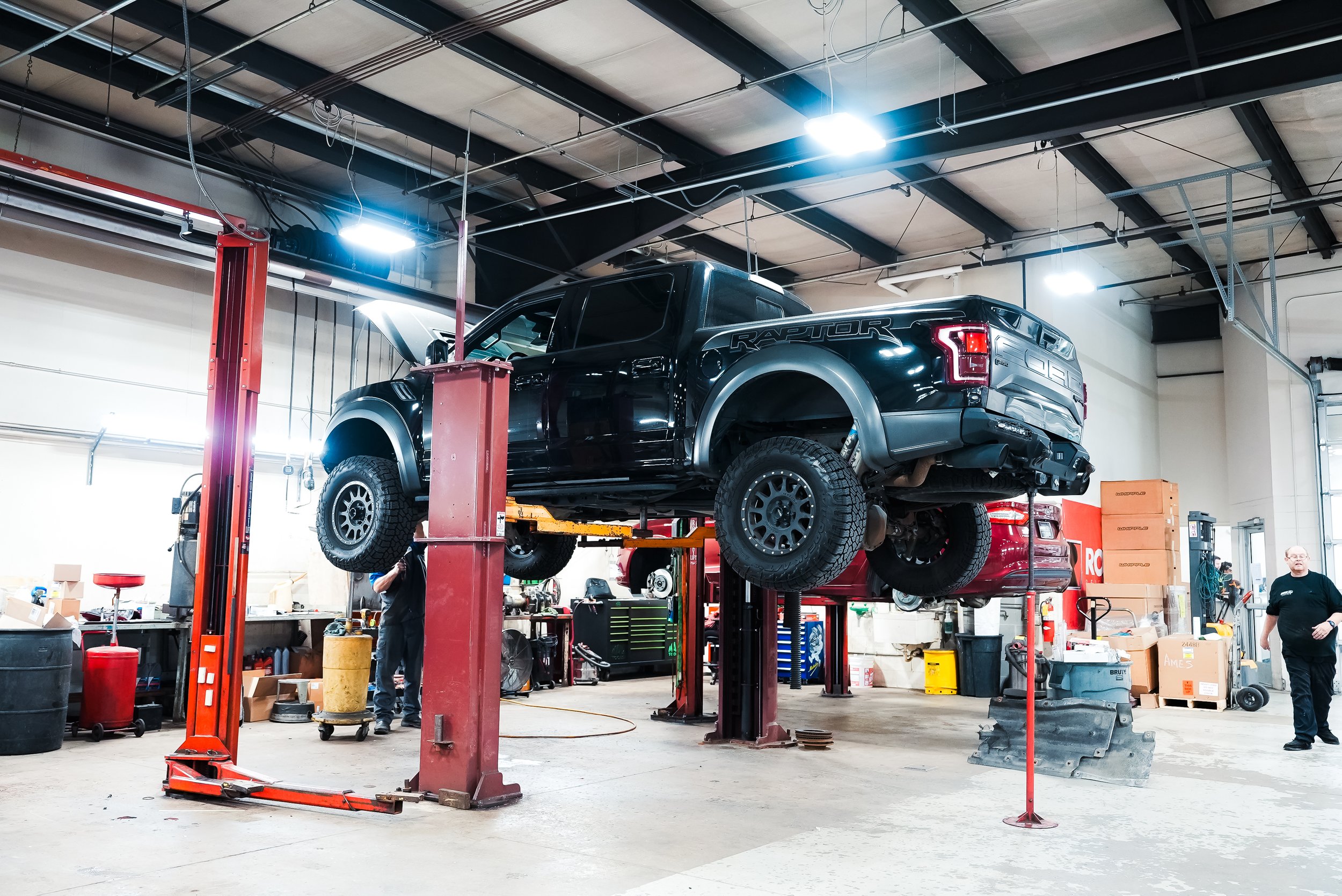
Cooling problems are not always dramatic. A vehicle can operate normally during everyday driving while developing temperature problems only under sustained load, boost, towing, or repeated performance use.
Assuming The Temperature Gauge Tells The Whole Story: Factory gauges are designed primarily for the driver, not detailed thermal analysis. Coolant temperature, cylinder-head temperature, engine oil temperature, transmission temperature, and intake-air temperature can provide a much clearer picture on vehicles where those parameters are available.
Heat Soak: After repeated acceleration or extended operation, heat can accumulate throughout the engine compartment and cooling systems faster than it can be rejected. The result can be increasing intake-air, coolant, oil, or transmission temperatures even though the vehicle performed well initially.
Air Trapped In The Cooling System: Air pockets can interrupt coolant circulation and create localized hot spots. Proper filling and bleeding procedures become particularly important after cooling-system repairs or upgrades.
Incorrect Coolant Mixture: Coolant concentration affects freeze protection, corrosion resistance, boiling characteristics, and heat transfer. More antifreeze is not automatically better cooling.
Loss Of System Pressure: Small leaks, weak caps, damaged hoses, deteriorated seals, or reservoir problems can prevent the system from maintaining its designed pressure and reduce boiling protection.
Restricted Airflow: A high-capacity radiator cannot perform properly without sufficient airflow. Damaged ducting, blocked heat exchangers, improperly installed aftermarket components, debris, and modifications to the front of the vehicle can affect cooling efficiency.
Stacked Heat Exchangers: Many modern performance vehicles place multiple heat exchangers in the same airflow path. An intercooler heat exchanger, A/C condenser, radiator, transmission cooler, and other components may all compete for the same incoming air. Upgrading one component without considering the entire stack can produce unintended results.
Inadequate Charge-Air Cooling: On forced-induction vehicles, rising intake-air temperatures can reduce repeatable performance even when engine coolant temperature appears acceptable. The intercooling system needs to be evaluated separately from the primary engine cooling circuit.
Installing A Larger Radiator Without Diagnosing The Problem: More cooling capacity can be beneficial, but overheating can also result from insufficient airflow, poor coolant circulation, trapped air, pressure loss, fan-control issues, or other mechanical problems. Bigger parts do not replace proper diagnosis.
Ignoring Coolant Age And Condition: Coolant contains additives designed to protect aluminum, iron, seals, and other materials throughout the system. Those additives degrade over time, making coolant maintenance important even when the fluid still appears visually acceptable.
the afp approach:
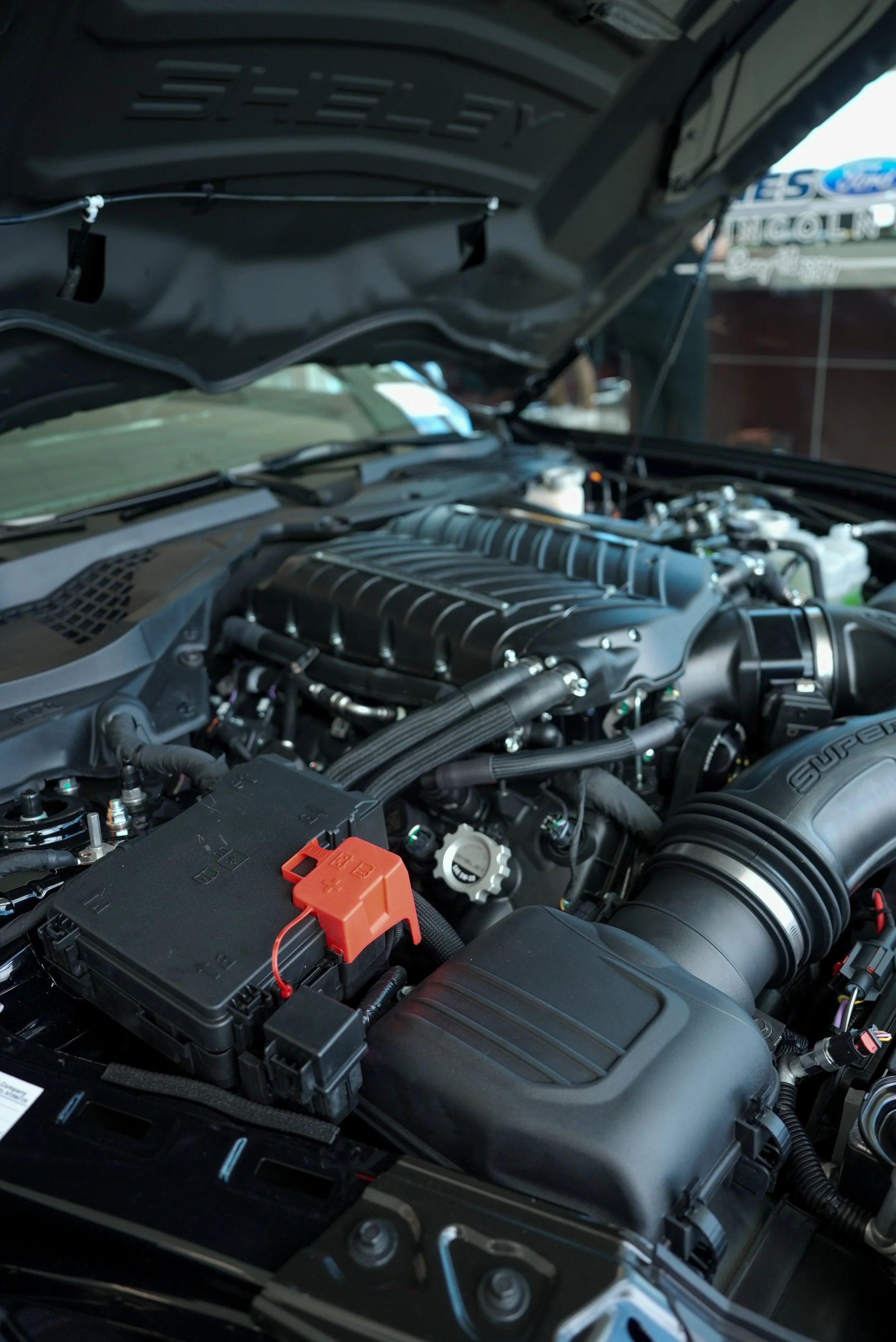
At Ames Ford Performance, we treat cooling as a complete thermal-management system, not simply a radiator and a temperature gauge.
We consider what is generating the heat, how that heat is being transferred, and whether the vehicle can reject it quickly enough for its intended use. That means evaluating the engine cooling circuit alongside airflow, oil temperature, transmission temperature, charge-air cooling, vehicle modifications, power level, and operating environment when applicable.
A Whipple-supercharged Mustang experiencing rising intake-air temperatures after repeated pulls requires a different diagnostic approach than an F-150 developing transmission temperature while towing. A track-driven vehicle that remains stable for several laps before temperatures begin climbing presents another problem entirely. Each situation provides information about where the system may be reaching its thermal limit.
When an upgrade is appropriate, the objective is not automatically to install the largest radiator, intercooler, reservoir, or fan available. The objective is to identify the limiting part of the system and improve coolant flow, airflow, heat-exchanger capacity, charge-air cooling, or overall heat rejection where the vehicle actually needs it.
Making more horsepower increases the amount of energy the vehicle has to manage. Building a cooling system capable of controlling that energy is what helps make that horsepower repeatable.

Your Next Move
We custom-fit premium body kits and individual aero components that match your build’s goals. You will work directly with our performance team to identify the most logical (or most wild) additions so you can achieve the mecca of custom looks for your vehicle. You eat with your eyes first, so if you have a strong appetite, we can put that belly at ease.